Clicking “I agree” before a Lime or Bird ride doesn’t mean you agreed to give up all your rights. If you were hurt while riding or hit by a rider, you may still have the ability to take legal action. Florida law limits how far these agreements go, and our Florida e-bike accident attorneys can help you understand exactly what yours does and doesn’t protect against.
Does That Waiver Actually Stop You From Filing a Claim?
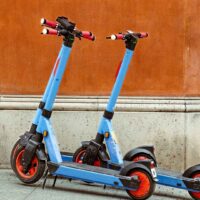
Short answer: probably not, at least not entirely. When you rent a Lime or Bird scooter, the app asks you to agree to a lengthy set of terms before you can unlock the device. Buried in that agreement, you’ll typically find a liability waiver, an assumption-of-risk clause, and often an arbitration clause that limits how you can bring a dispute against the company.
It’s easy to assume that clicking “agree” closes the door on any legal claim. That assumption is what stops a lot of injured riders from calling a lawyer at all, and it can be wrong.
Here’s what that waiver is actually built to do: shield the rental company from claims tied to the ordinary risks of riding a scooter. It’s not designed to (and legally can’t) protect every party who might share responsibility for your injuries. A driver who struck you while you were riding, a property owner who let a hazard go unaddressed, or even the rental company itself in certain circumstances may still be on the hook, signed waiver or not.
We’ll get into who those parties can be and when a waiver stops working even against the company itself. For now, the point to remember is this: the presence of a waiver isn’t the end of the conversation. It’s just the starting point for a closer look at your case. If you’re unsure whether yours applies, we’d rather you call and ask than assume you have no options.
When Florida Law Won’t Let a Waiver Stand
Waivers aren’t automatically enforceable just because a company wrote one. Florida law generally won’t let a business use a liability waiver to shield itself from its own gross negligence or intentional misconduct, no matter how broad the language was when you clicked “agree.”
In the scooter context, that distinction can matter a great deal. There’s a real difference between the ordinary risks of riding, such as losing balance, hitting a bump, or misjudging your speed, and a company knowingly putting a defective or poorly maintained scooter back into rotation.
The language in a waiver must also be “clear and unambiguous.” If something is hidden or vague, a Florida court could find that you are still able to sue.
Whether a specific case crosses either of these lines depends entirely on the facts. That’s not something to guess at alone; it’s exactly what our attorneys review before telling you what your options are.
Who Can Be Held Responsible After a Scooter Accident?
Most scooter injury claims aren’t built against Lime or Bird at all. They’re built against whoever’s negligence actually caused the crash, and that waiver you clicked never applied to them in the first place.
The Driver Who Struck You
If a car, truck, or motorcycle hit you while you were riding a rented scooter, your claim is a standard negligence case against that driver. The rental agreement has no bearing on it whatsoever. Whether the driver was speeding, distracted, failed to yield, or simply wasn’t watching for scooters sharing the road, our attorneys know how to prove negligence and pursue damages the same way we would in any other traffic collision case.
A Negligent Property Owner or Municipality
Sometimes the hazard isn’t another vehicle; it’s the road, sidewalk, or path itself. A broken sidewalk panel, a pothole, poor lighting, or a dangerous intersection can all turn a routine ride into a serious injury. When a property owner or local government fails to maintain a safe path or warn of a known hazard, they may share responsibility for what happened to you. These claims carry their own rules and shorter notice deadlines, so time matters here more than in most cases.
The Rental Company Itself
This is the narrower path, but it isn’t closed. A waiver generally protects a company from claims tied to the ordinary risks of riding, such as losing your balance, misjudging a turn, and the everyday hazards of operating a scooter. It doesn’t necessarily protect the company from its own carelessness. If the scooter you rented had a known mechanical defect, was poorly maintained, or was deployed in an unsafe condition, that’s a different conversation, and one worth having with an attorney rather than ruling out on your own.
Why This Matters for Your Claim
Every scooter accident has its own set of facts, and often more than one party shares fault. Our job is to investigate what happened, determine liability among everyone involved, and build your claim around the parties who are actually responsible.
We are here for you 24/7
(Consultations are Free)
What Compensation You May Be Entitled To After a Scooter Accident
If your scooter accident claim moves forward, whether against a driver, a property owner, or the rental company itself, the damages available generally mirror what you’d pursue after any personal injury. These can include:
- Current and future medical expenses, including emergency treatment, surgery, and rehabilitation
- Lost wages if your injuries kept you out of work
- Reduced earning capacity if you can’t return to the same job or hours
- Property damage, such as a damaged phone or personal belongings from the fall
- Pain and suffering, including the physical and emotional toll of your recovery
How much your case is worth depends on the severity of your injuries, who’s responsible, and what insurance coverage applies. Scooter accidents often raise coverage questions that don’t come up in a typical car crash; your own auto policy’s PIP or UM/UIM coverage may come into play, or you may be relying on the at-fault party’s insurance instead. We can help you sort out where your compensation is likely to come from and what your losses are really worth before you accept anything less.
How Comparative Fault Can Affect Your Case
Florida follows a modified comparative negligence rule, which means your compensation can be reduced by your own share of fault, and barred entirely if you’re found more than 50% responsible. Riding without a helmet, using a sidewalk where it wasn’t allowed, failing to abide by Florida e-bike laws, or speeding can all factor into that analysis. It’s another reason not to assume anything about your case on your own; we can help you understand how fault is likely to be weighed.
Don’t Assume You Don’t Have a Case
A waiver, a helmet you weren’t wearing, or uncertainty about who’s responsible shouldn’t be the reason you never call about the compensation you may be entitled to. We want to hear what happened, even if you think a waiver closed the door. Florida’s statute of limitations won’t wait, and neither should you. Reach out for a free consultation and let us tell you what your options really are. Meldon Law is here to help you.